For Research Use Only  ·  Not for human consumption  ·  Every lot HPLC & MS verified  ·  Fast shipping
OMNI Biologics
OMNI Biologics

Researcher Verification

Our compounds are sold strictly For Research Use Only. Please confirm you are 21 or older and tell us about your research capacity.

NOT FOR HUMAN OR VETERINARY USE · NOT FOR THERAPEUTIC USE
Education & Research

The science behind every vial.

Precision starts with understanding. Learn what research peptides are, how they are made and handled, and how to read a certificate of analysis — then go molecule by molecule through the published literature behind each compound.
0
Compounds documented
0
Peer-reviewed references
0%
PubMed-linked
>0%
HPLC-verified purity
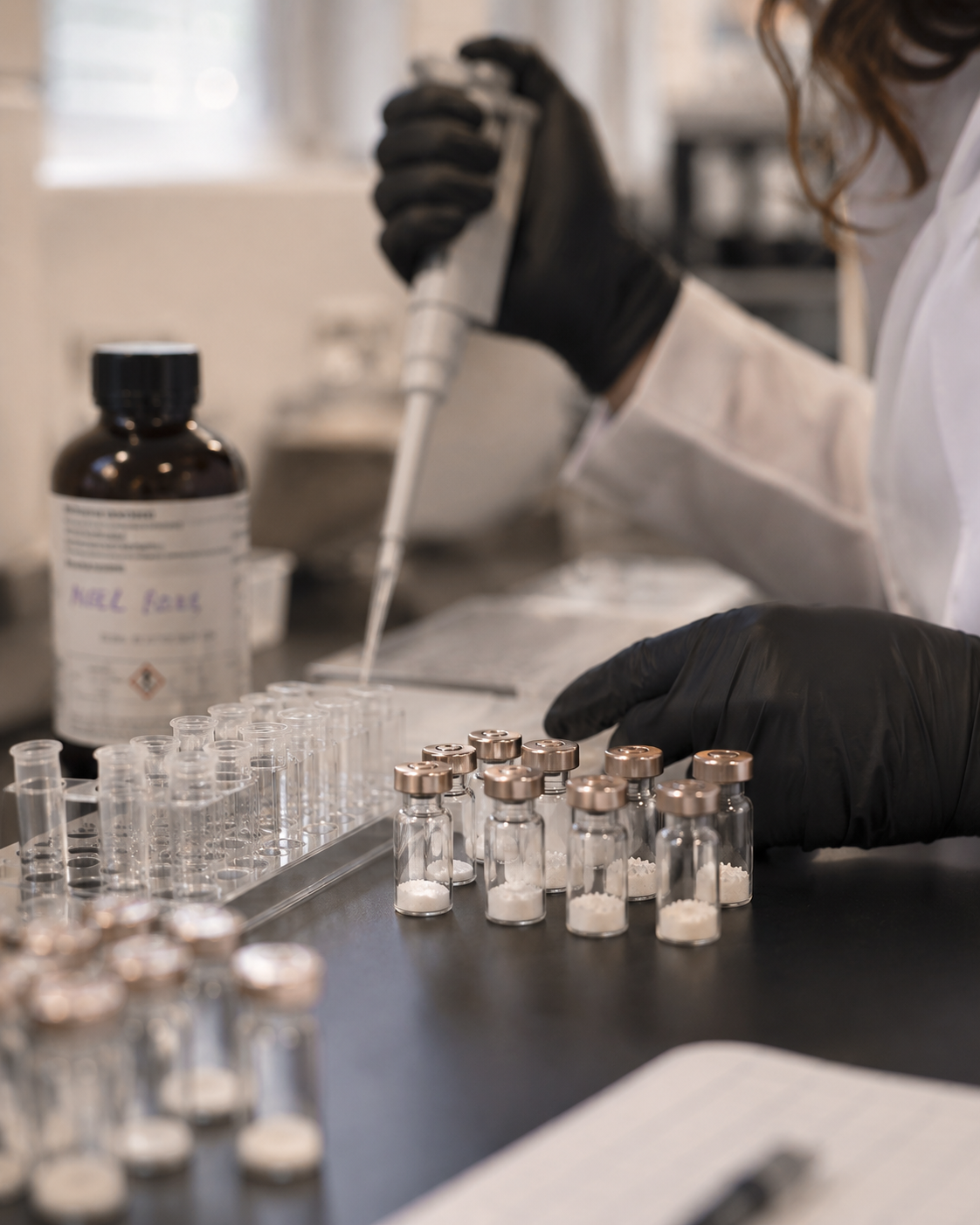
Vials of lyophilized peptide powder in a research setting
Characterized, then citedIdentity and purity documented per lot
How we handle the science

Reference data, not claims.

Our role is to supply a well-characterized molecule and tell you where the literature lives. Interpretation stays where it belongs — with the researcher designing the study.

Peptide education

A working knowledge base

From what a peptide is to how a lot is documented — framed strictly as laboratory reference for qualified researchers. For research use only.
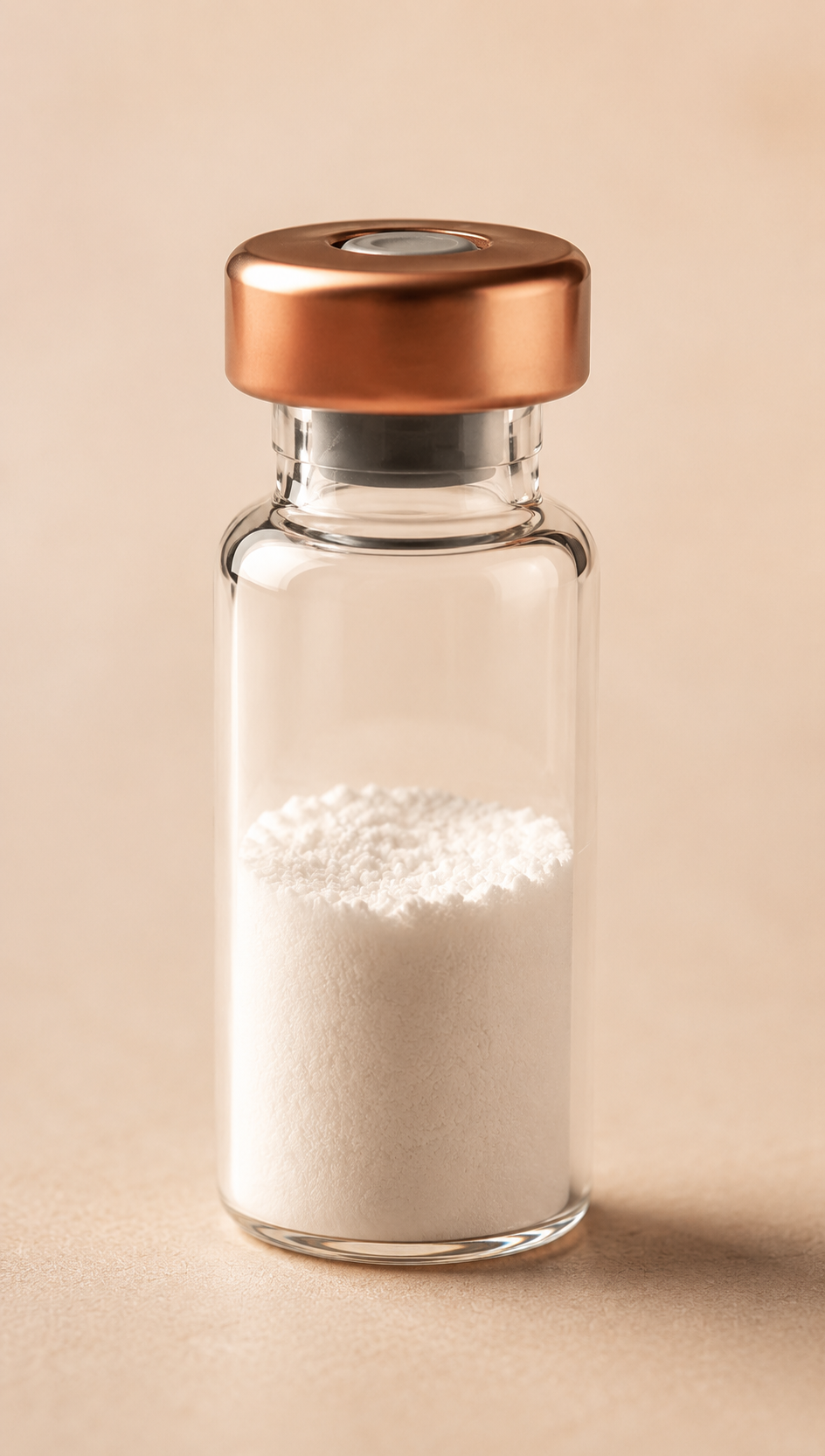
Generate: macro of a clear glass vial of fine white lyophilized powder, warm cream background, soft daylight
Defined sequences
Defined sequencesA peptide is a short, specific chain of amino acids
The basics

What is a research peptide?

If proteins are the full text, peptides are the sentences. A peptide is a short chain of amino acids — typically fewer than 50 — linked by peptide bonds. In living systems these short chains act as signaling molecules: messengers that help cells start a process, stop one, or hold a balance.

A synthetic research peptide is the same defined sequence, built in a lab to a known specification and supplied as a stable, freeze-dried (lyophilized) powder. That precision — a known sequence, a measured purity, a documented identity — is what makes a peptide a useful research input.
  • Sequence — the order of amino acids defines the molecule; change the order and you change the peptide
  • Length — short chains of a few up to ~50 residues; longer chains are polypeptides or proteins
  • Analog — a synthetic sequence modeled on a natural one, sometimes modified for stability
  • Identity vs. purity — "is this the right molecule?" (MS) is a different question from "how much is target?" (HPLC)
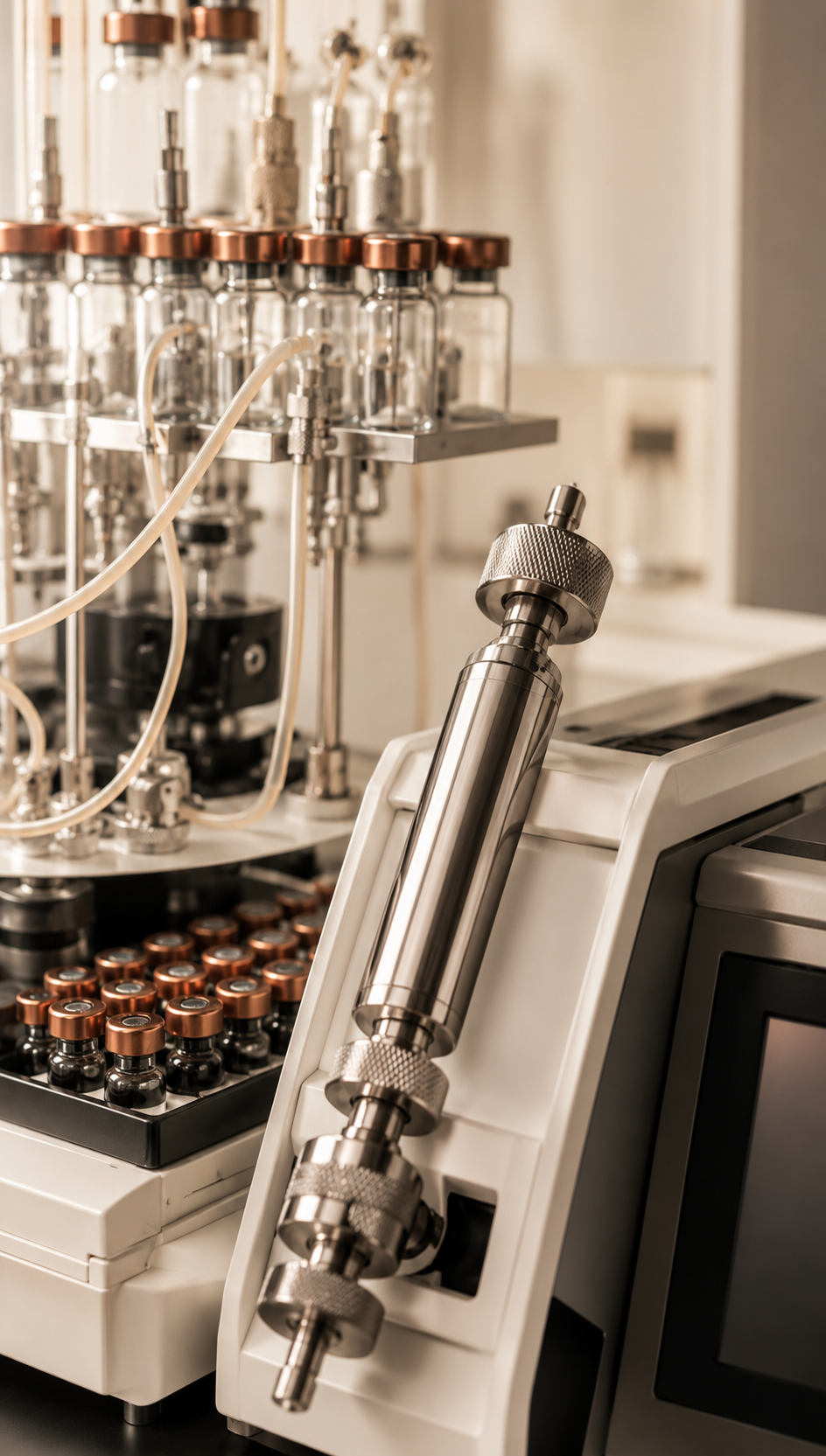
Generate: clean lab close-up of automated peptide synthesizer / HPLC column, stainless and glass, neutral tones
From sequence to vial
From sequence to vialBuild, purify, verify, document
From sequence to vial

How a research peptide is made

Production follows one disciplined loop: build the chain, clean the product, prove what it is, and document the record. Each step has its own analytical checkpoint.
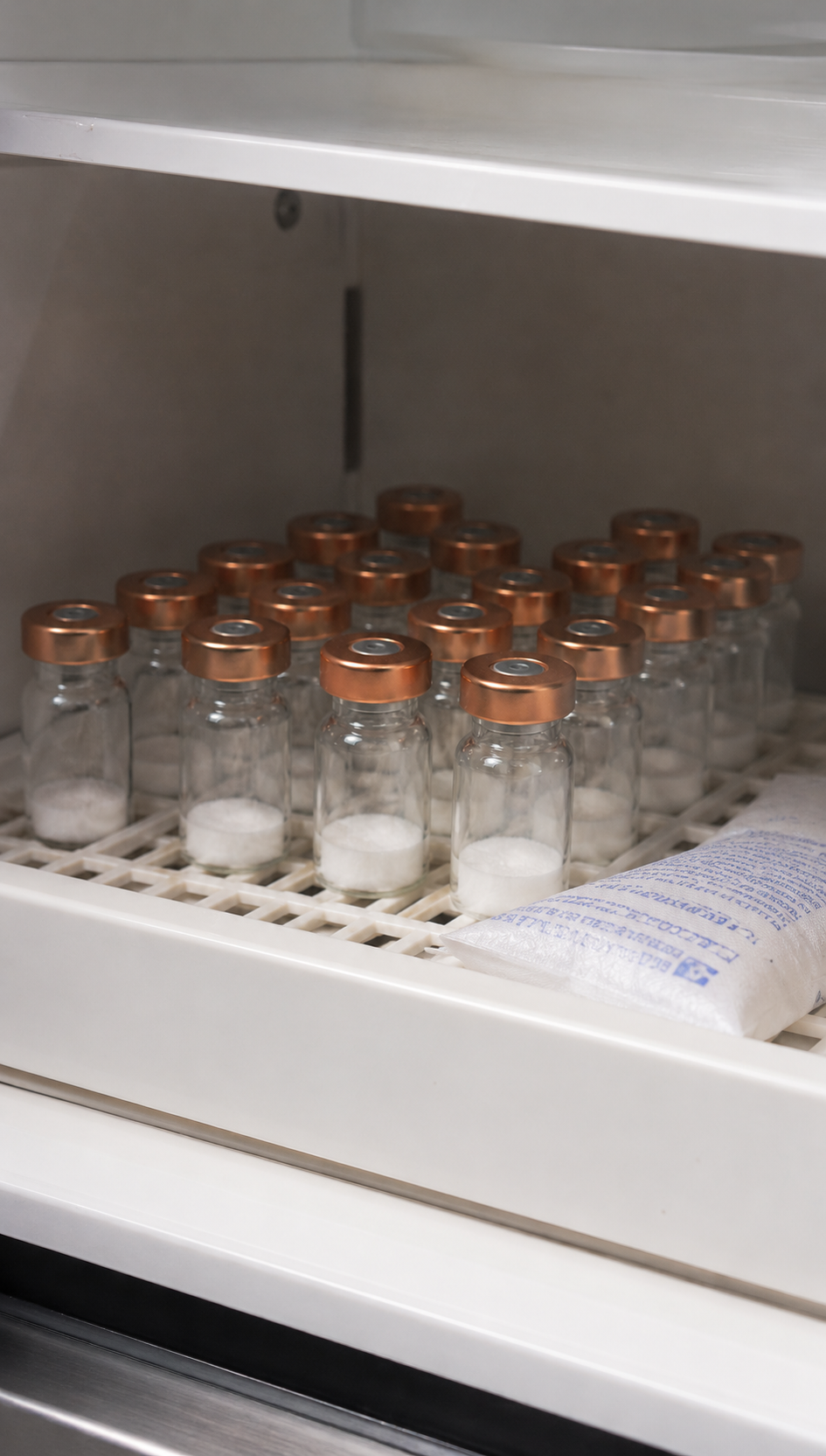
  • Build the chain — amino acids added one at a time onto a solid resin by Fmoc solid-phase synthesis
  • Release & clean — cleaved from the resin, then purified by reverse-phase HPLC on a C18 column and freeze-dried
  • Prove identity — LC/MS confirms the measured mass matches the theoretical mass of the intended sequence
  • Report purity — HPLC reports area-percent of the target peak — the basis for a "≥99% by HPLC" spec
  • Document the lot — batch records, results, lot code, and the certificate of analysis make it traceable
Generate: vials in a lab freezer rack with desiccant, cold blue-white light, frost on glass, premium clean
Cold, dark, dry, sealed
Cold, dark, dry, sealedLyophilized material is more stable than solution
Handle it right

Storage & stability

Temperature, moisture, light, and handling all affect how well a peptide holds its structure over time. Lyophilized (dry) material is more stable than material in solution. The single most important rule: follow the product label and certificate of analysis over any general guidance, because conditions vary by compound.
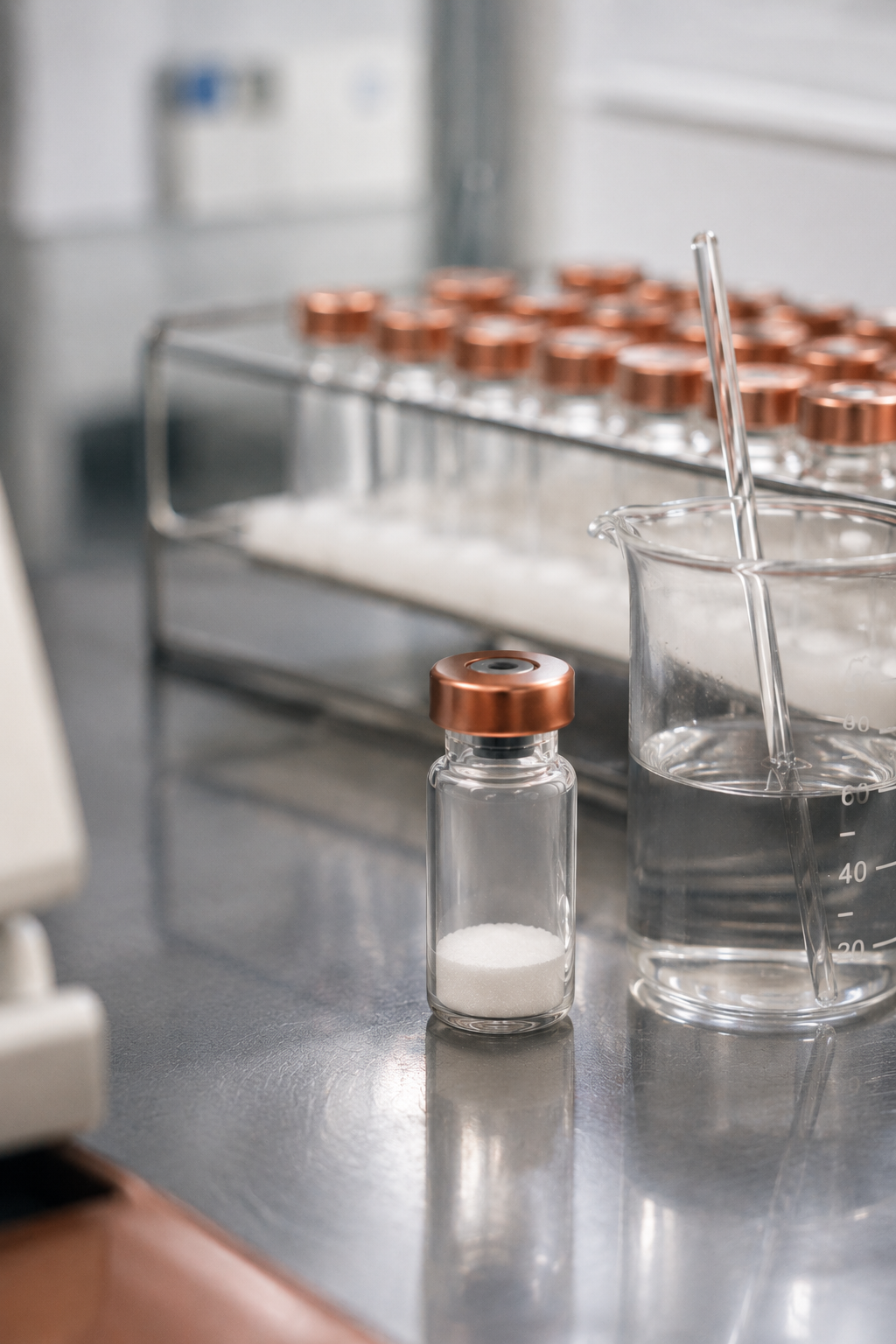
  • Keep it cold, dark, dry, sealed — store lyophilized vials with fresh desiccant; -20°C for long-term where available
  • Warm before opening — let a sealed vial reach room temperature first — opening cold pulls condensation onto the powder
  • Avoid freeze-thaw — aliquot a stock once into labeled tubes rather than refreezing one vial repeatedly
  • Mind light & air — Cys, Met, and Trp sequences are prone to oxidation; use amber or opaque containers
Generate: gloved hand adding clear diluent down the wall of a vial with a fine needle, shallow depth of field, warm neutral
Preparing a solution
Preparing a solutionIntroduce a compatible diluent, gently
Preparing a solution

Reconstitution in the lab

Reconstitution is the laboratory preparation of a lyophilized compound into solution for experimental handling — introducing a compatible diluent to a dry peptide to bring it into solution for research use.

OMNI does not advise on dosing, administration, or personal use. The notes below are laboratory-handling context only, for qualified researchers working in vitro.
  • No universal solvent — the right diluent depends on the peptide's sequence and the assay; selection can be partly trial-and-error
  • Solubility & charge — peptides generally carry more charge near neutral pH (~6–8) and dissolve more readily there
  • Common diluents — sterile water and bacteriostatic water are typical; the stability window depends on the compound
  • Add gently, label immediately — run diluent down the vial wall — don't shake; label compound, lot, concentration, date
Generate: clean overhead of a printed Certificate of Analysis with an HPLC chromatogram, single sharp peak, on a light desk
Read the paper, not the promise
Read the paper, not the promiseIdentity, purity, and lot, on one document
Read the paper, not the promise

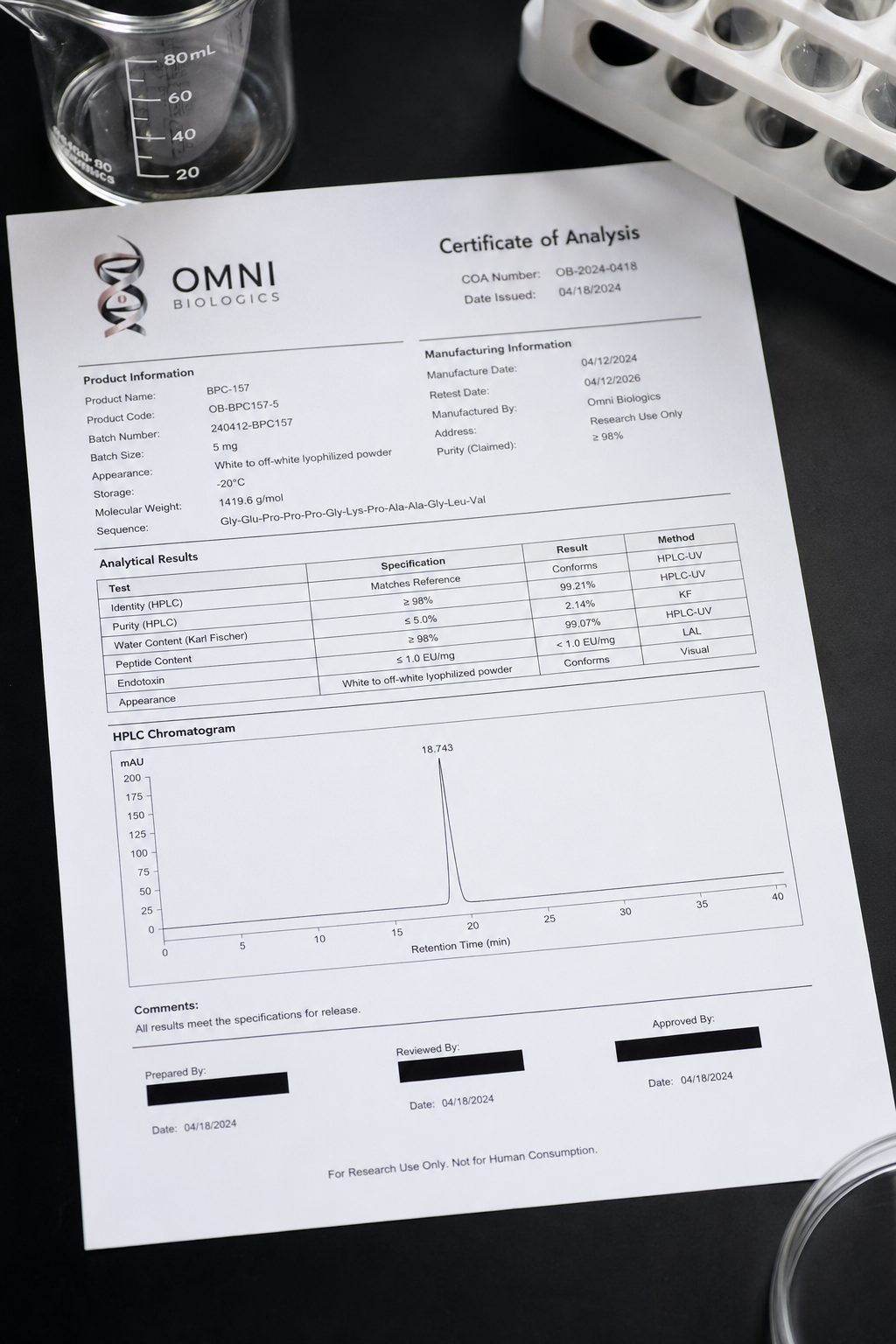
How to read a Certificate of Analysis

A certificate of analysis is the lab-issued document that verifies a compound's identity, purity, and specifications from analytical testing. Here is what the key fields tell you — and what "good" looks like.

  • Lot / batch number — ties the certificate to your specific vial; a COA for a different lot does not describe your material
  • HPLC purity — target peptide vs. other UV-absorbing species; look for a stated method and a clean single-peak chromatogram
  • MS identity — confirms the measured molecular mass matches the theoretical mass of the intended sequence
  • Net peptide content — how much of the powder is actual peptide vs. water, salts, and counterions — different from purity
  • Date & testing lab — fresher certificates and independent third-party testing carry more weight
Fields of study

Research areas

Our catalog is organized by the laboratory field each molecule is studied within. These describe areas of research — not statements about any outcome.

Tissue & Repair ResearchLaboratory study of peptides involved in extracellular-matrix, actin, and cytoskeletal signaling.
Cognitive ResearchIn-vitro and preclinical study of neuropeptides and other central-nervous-system signaling molecules.
Immunity & Longevity ResearchStudy of thymic, antioxidant, and bioregulator peptides alongside cellular-aging markers.
Metabolic ResearchStudy of metabolic-signaling peptides and bioenergetic-pathway regulators in laboratory models.
Neuroendocrine ResearchStudy of hypothalamic and pituitary signaling peptides and their receptor pharmacology in vitro.
Research EssentialsReconstitution diluents and supporting reagents used to prepare peptides for in-vitro work.
Compound monographs

A literature library, molecule by molecule

Select a compound to read its molecular identity, neutral research context, and the foundational publications associated with it. Every reference links to the primary record on PubMed.

How to read this library. Each entry is a neutral pointer to independent, peer-reviewed publications, listed solely to document that a body of literature exists for each molecule. They reflect independent published research — not claims by OMNI Biologics — and are not statements about any product or its outcome.
Tissue & Repair Research

BPC-157

Synthetic 15-amino-acid peptide (pentadecapeptide; Gly-Glu-Pro-Pro-Pro-Gly-Lys-Pro-Ala-Asp-Asp-Ala-Gly-Leu-Val), a stable partial sequence corresponding to a fragment found in a human gastric juice protein.

Research context. Investigated almost exclusively in preclinical / animal-model systems (predominantly rodent) as a cytoprotection and organoprotection research probe. Reported lines of laboratory study include nitric-oxide (NO) signaling, angiogenesis-associated pathways (e.g. VEGFR2, endothelial signaling), vascular and collateral-flow models, and brain-gut axis model systems.

Foundational literature · 5 references
1
Stable Gastric Pentadecapeptide BPC 157, Robert's Stomach Cytoprotection/Adaptive Cytoprotection/Organoprotection, and Selye's Stress Coping Response
Sikiric P, et al. · Gut Liver · 2020;14(2):153-167
PubMed PMID 31158953
2
Stable gastric pentadecapeptide BPC 157-NO-system relation
Sikiric P, et al. · Curr Pharm Des · 2014;20(7):1126-35
PubMed PMID 23755725
3
Brain-gut Axis and Pentadecapeptide BPC 157: Theoretical and Practical Implications
Sikiric P, et al. · Curr Neuropharmacol · 2016;14(8):857-865
PubMed PMID 27138887
4
Stable Gastric Pentadecapeptide BPC 157: Prompt Particular Activation of Collateral Pathways
Sikiric P, et al. · Curr Med Chem · 2023;30(13):1568-1573
PubMed PMID 36200148
5
Multifunctionality and Possible Medical Application of the BPC 157 Peptide - Literature and Patent Review
Jozwiak M, Bauer M, Kamysz W, Kleczkowska P · Pharmaceuticals (Basel) · 2025;18(2):185
PubMed PMID 40005999

Citations reflect independent published research — not claims by OMNI Biologics. Listed to document that a body of peer-reviewed literature exists for this molecule.

Tissue & Repair Research

TB-500

Synthetic peptide corresponding to the central actin-binding region of thymosin beta-4 (Tβ4), a naturally occurring water-soluble, heat-stable 43-amino-acid (~5 kDa) polypeptide of the beta-thymosin family; the parent is a monomeric (G-)actin-binding peptide.

Research context. Thymosin beta-4 is studied principally as a G-actin-sequestering peptide that forms a 1:1 complex with monomeric actin, investigated for its influence on the actin monomer-to-polymer balance and cytoskeletal dynamics in cell-based systems, and in preclinical models for endothelial-cell migration / angiogenesis and tissue-repair / fibrosis pathways.

Foundational literature · 6 references
1
Thymosin beta 4 and Fx, an actin-sequestering peptide, are indistinguishable
Safer D, Elzinga M, Nachmias VT · J Biol Chem · 1991;266(7):4029-32
PubMed PMID 1999398
2
Thymosin beta 4 sequesters the majority of G-actin in resting human polymorphonuclear leukocytes
Cassimeris L, et al. · J Cell Biol · 1992;119(5):1261-70
PubMed PMID 1447300
3
Thymosin beta4 and angiogenesis: modes of action and therapeutic potential
Smart N, Rossdeutsch A, Riley PR · Angiogenesis · 2007;10(4):229-41
PubMed PMID 17632766
4
Thymosin beta4: a multi-functional regenerative peptide. Basic properties and clinical applications
Goldstein AL, Hannappel E, Sosne G, Kleinman HK · Expert Opin Biol Ther · 2012;12(1):37-51
PubMed PMID 22074294
5
Thymosin beta4 and the vasculature: multiple roles in development, repair and protection against disease
Dube KN, Smart N · Expert Opin Biol Ther · 2018;18(sup1):131-139
PubMed PMID 30063849
6
Thymosin beta-4 denotes new directions towards developing prosperous anti-aging regenerative therapies
Bock-Marquette I, et al. · Int Immunopharmacol · 2023;116:109741
PubMed PMID 36709593

Citations reflect independent published research — not claims by OMNI Biologics. Listed to document that a body of peer-reviewed literature exists for this molecule.

Tissue & Repair Research

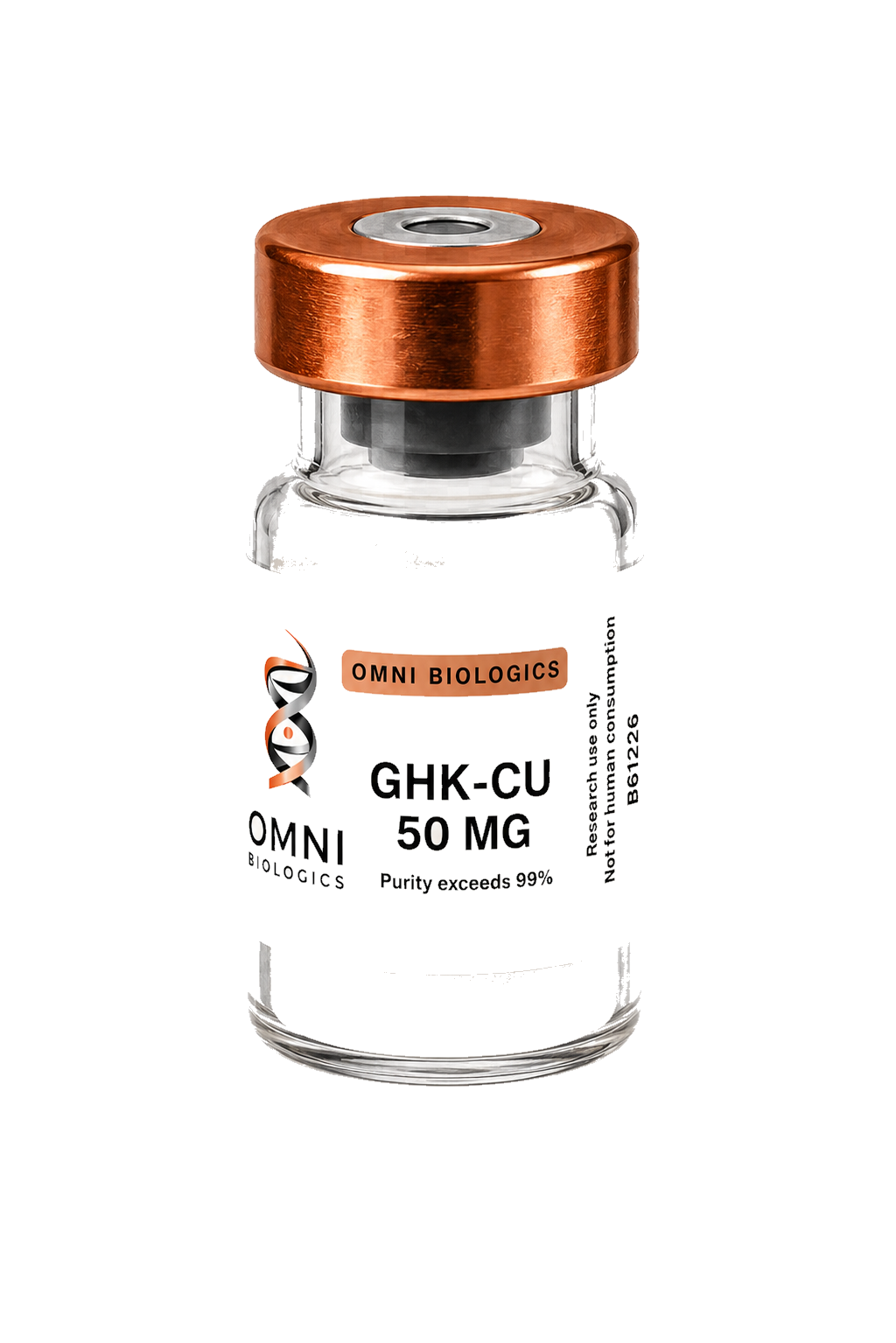
GHK-Cu

Copper(II) complex of the tripeptide glycyl-L-histidyl-L-lysine (Gly-His-Lys / GHK), a small three-amino-acid peptide first isolated from human plasma that chelates a Cu(II) ion (a copper-binding metallopeptide).

Research context. Investigated in vitro and in preclinical models characterizing its copper(II)-binding chemistry, association with copper transport, and influence on gene-expression patterns and extracellular-matrix- and antioxidant-related signaling. Common contexts include skin / connective-tissue cell models, wound-healing and angiogenesis model systems (scaffolds, cryogels, hydrogels), tissue-injury / inflammation models, and the observed age-related decline of GHK in human plasma.

Foundational literature · 6 references
1
Tripeptide in human serum which prolongs survival of normal liver cells and stimulates growth in neoplastic liver
Pickart L, Thaler MM · Nat New Biol · 1973;243(124):85-7
PubMed PMID 4349963
2
The human tripeptide GHK-Cu in prevention of oxidative stress and degenerative conditions of aging
Pickart L, Vasquez-Soltero JM, Margolina A · Oxid Med Cell Longev · 2012;2012:324832
PubMed PMID 22666519
3
GHK Peptide as a Natural Modulator of Multiple Cellular Pathways in Skin Regeneration
Pickart L, Vasquez-Soltero JM, Margolina A · Biomed Res Int · 2015;2015:648108
PubMed PMID 26236730
4
The Effect of the Human Peptide GHK on Gene Expression Relevant to Nervous System Function and Cognitive Decline
Pickart L, Vasquez-Soltero JM, Margolina A · Brain Sci · 2017;7(2):20
PubMed PMID 28212278
5
Regenerative and Protective Actions of the GHK-Cu Peptide in the Light of the New Gene Data
Pickart L, Margolina A · Int J Mol Sci · 2018;19(7):1987
PubMed PMID 29986520
6
The glycyl-L-histidyl-L-lysine-Cu2+ tripeptide complex attenuates lung inflammation and fibrosis in silicosis by targeting peroxiredoxin 6
Bian Y, Deng M, Liu J, et al. · Redox Biol · 2024;75:103237
PubMed PMID 38879894

Citations reflect independent published research — not claims by OMNI Biologics. Listed to document that a body of peer-reviewed literature exists for this molecule.

Cognitive Research

Semax

Synthetic heptapeptide Met-Glu-His-Phe-Pro-Gly-Pro; a non-hormonal analog of the ACTH(4-10) / ACTH(4-7) fragment of adrenocorticotropic hormone, extended at the C-terminus with a Pro-Gly-Pro tripeptide.

Research context. Investigated in preclinical (primarily rodent) model systems in the context of central-nervous-system signaling. Reported lines include neurotrophic-factor expression (BDNF / TrkB) at mRNA and protein level, specific peptide binding in forebrain tissue, monoaminergic (dopaminergic, serotoninergic) neurotransmission, and transcriptomic responses in models of cerebral ischemia.

Foundational literature · 5 references
1
Semax, an analog of ACTH(4-10) with cognitive effects, regulates BDNF and trkB expression in the rat hippocampus
Dolotov OV, et al. · Brain Res · 2006;1117(1):54-60
PubMed PMID 16996037
2
Semax, an analogue of adrenocorticotropin (4-10), binds specifically and increases levels of brain-derived neurotrophic factor protein in rat basal forebrain
Dolotov OV, et al. · J Neurochem · 2006;97 Suppl 1:82-86
PubMed PMID 16635254
3
Semax, an ACTH(4-10) analogue with nootropic properties, activates dopaminergic and serotoninergic brain systems in rodents
Eremin KO, et al. · Neurochem Res · 2005;30(12):1493-1500
PubMed PMID 16362768
4
Semax, an analog of ACTH(4-7), regulates expression of immune response genes during ischemic brain injury in rats
Medvedeva EV, et al. · Mol Genet Genomics · 2017;292(3):635-653
PubMed PMID 28255762
5
Semax, synthetic ACTH(4-10) analogue, attenuates behavioural and neurochemical alterations following early-life fluvoxamine exposure in white rats
Glazova NYu, et al. · Neuropeptides · 2021;86:102114
PubMed PMID 33418449

Citations reflect independent published research — not claims by OMNI Biologics. Listed to document that a body of peer-reviewed literature exists for this molecule.

Cognitive Research

Selank

Synthetic heptapeptide Thr-Lys-Pro-Arg-Pro-Gly-Pro; an analog of the endogenous tetrapeptide tuftsin (Thr-Lys-Pro-Arg, an IgG-heavy-chain fragment) extended at the C-terminus with a Pro-Gly-Pro tripeptide for metabolic stability.

Research context. Investigated in preclinical model systems and cell-culture preparations in the context of central-nervous-system signaling. Reported directions include gene-expression changes related to GABAergic neurotransmission, BDNF expression in hippocampal / cortical tissue, and serotonergic / monoaminergic pathways.

Foundational literature · 5 references
1
Peptide-based Anxiolytics: The Molecular Aspects of Heptapeptide Selank Biological Activity
Vyunova TV, Andreeva L, Shevchenko K, Myasoedov N · Protein Pept Lett · 2018;25(10):914-923
PubMed PMID 30255741
2
Selank Administration Affects the Expression of Some Genes Involved in GABAergic Neurotransmission
Volkova A, et al. · Front Pharmacol · 2016;7:31
PubMed PMID 26924987
3
Intranasal administration of the peptide Selank regulates BDNF expression in the rat hippocampus in vivo
Inozemtseva LS, et al. · Dokl Biol Sci · 2008;421:241-243
PubMed PMID 18841804
4
Selank, Peptide Analogue of Tuftsin, Protects Against Ethanol-Induced Memory Impairment by Regulating BDNF Content in the Hippocampus and Prefrontal Cortex in Rats
Kolik LG, et al. · Bull Exp Biol Med · 2019;167(5):641-644
PubMed PMID 31625062
5
Selank, a Peptide Analog of Tuftsin, Attenuates Aversive Signs of Morphine Withdrawal in Rats
Konstantinopolsky MA, Chernyakova IV, Kolik LG · Bull Exp Biol Med · 2022;173(6):730-733
PubMed PMID 36322304

Citations reflect independent published research — not claims by OMNI Biologics. Listed to document that a body of peer-reviewed literature exists for this molecule.

Neuroendocrine Research

Tesamorelin

Synthetic analog of human growth-hormone-releasing factor (GRF / GHRH(1-44)); a 44-amino-acid peptide bearing an N-terminal trans-3-hexenoyl modification that increases stability relative to native GRF.

Research context. Characterized in the literature as a growth-hormone-releasing-factor analog; the published record studies the growth-hormone / IGF-1 axis and visceral-adipose and metabolic parameters within controlled pharmacology and clinical investigations. Provided for reference only; OMNI's product is not represented as the approved drug or as for human or veterinary use.

Foundational literature · 6 references
1
Tesamorelin, a human growth hormone releasing factor analogue
Wang Y, Tomlinson B · Expert Opin Investig Drugs · 2009;18(3):303-310
PubMed PMID 19243281
2
Metabolic effects of a growth hormone-releasing factor in patients with HIV
Falutz J, et al. · N Engl J Med · 2007;357(23):2359-2370
PubMed PMID 18057338
3
Effects of tesamorelin, a growth hormone-releasing factor, in HIV-infected patients with abdominal fat accumulation: a randomized placebo-controlled trial with a safety extension
Falutz J, et al. · J Acquir Immune Defic Syndr · 2010;53(3):311-322
PubMed PMID 20101189
4
Metabolic effects of a growth hormone-releasing factor in obese subjects with reduced growth hormone secretion: a randomized controlled trial
Makimura H, et al. · J Clin Endocrinol Metab · 2012;97(12):4769-4779
PubMed PMID 23015655
5
Predictors of Treatment Response to Tesamorelin, a Growth Hormone-Releasing Factor Analog, in HIV-Infected Patients with Excess Abdominal Fat
Mangili A, et al. · PLoS One · 2015;10(10):e0140358
PubMed PMID 26457580
6
Tesamorelin: a growth hormone-releasing factor analogue for HIV-associated lipodystrophy
Spooner LM, Olin JL · Ann Pharmacother · 2012;46(2):240-247
PubMed PMID 22298602

Citations reflect independent published research — not claims by OMNI Biologics. Listed to document that a body of peer-reviewed literature exists for this molecule.

Immunity & Longevity Research

Thymosin Alpha-1

A 28-amino-acid, N-terminally acetylated, highly acidic thymic polypeptide (Ac-SDAAVDTSSEITTKDLKEKKEVVEEAEN) derived from the precursor prothymosin alpha; MW ~3108 Da.

Research context. Literature characterizes the primary sequence and solution conformation and studies interactions with innate- and adaptive-immune signaling pathways (e.g. Toll-like-receptor / MyD88, NF-κB, p38 MAPK) in cell-line, dendritic-cell, and T-lymphocyte model systems, examining differentiation markers and cytokine signaling as research endpoints.

Foundational literature · 5 references
1
Thymosin alpha1: isolation and sequence analysis of an immunologically active thymic polypeptide
Goldstein AL, Low TL, McAdoo M, et al. · Proc Natl Acad Sci U S A · 1977;74(2):725-729
PubMed PMID 265536
2
NMR structure of human thymosin alpha-1
Elizondo-Riojas MA, et al. · Biochem Biophys Res Commun · 2011;416(3-4):356-361
PubMed PMID 22115779
3
Thymosin alpha1: an endogenous regulator of inflammation, immunity, and tolerance
Romani L, et al. · Ann N Y Acad Sci · 2007;1112:326-338
PubMed PMID 17495242
4
Thymosin alpha 1: A comprehensive review of the literature
Dominari A, et al. · World J Virol · 2020;9(5):67-78
PubMed PMID 33362999
5
The Immunomodulatory Activity of Thymosin Alpha 1 on Tumor Cell Lines and Distinct Immune Cell Subsets
Solmonese L, et al. · Onco Targets Ther · 2025;18:995-1012
PubMed PMID 40955371

Citations reflect independent published research — not claims by OMNI Biologics. Listed to document that a body of peer-reviewed literature exists for this molecule.

Immunity & Longevity Research

Epithalon

Synthetic tetrapeptide Ala-Glu-Asp-Gly (AEDG); a synthetic analog of the pineal-gland peptide preparation epithalamin.

Research context. Investigated in laboratory / preclinical models in the context of telomere biology and telomerase / hTERT gene expression in cultured human cell lines, pineal / neuroendocrine signaling, and gene-expression / chromatin (epigenetic) regulation, including interactions with histone proteins and ribosomal-gene / chromatin activity in cultured cells.

Foundational literature · 5 references
1
Epithalon peptide induces telomerase activity and telomere elongation in human somatic cells
Khavinson VKh, Bondarev IE, Butyugov AA · Bull Exp Biol Med · 2003;135(6):590-592
PubMed PMID 12937682
2
Peptide Epitalon activates chromatin at the old age
Khavinson VKh, et al. · Neuro Endocrinol Lett · 2003;24(5):329-333
PubMed PMID 14647006
3
AEDG Peptide (Epitalon) Stimulates Gene Expression and Protein Synthesis during Neurogenesis: Possible Epigenetic Mechanism
Khavinson V, et al. · Molecules · 2020;25(3):609
PubMed PMID 32019204
4
Overview of Epitalon - Highly Bioactive Pineal Tetrapeptide with Promising Properties
Araj SK, Brzezik J, Madra-Gackowska K, Szeleszczuk L · Int J Mol Sci · 2025;26(6):2691
PubMed PMID 40141333
5
Epitalon increases telomere length in human cell lines through telomerase upregulation or ALT activity
Al-Dulaimi S, Thomas R, Matta S, Roberts T · Biogerontology · 2025;26(5):178
PubMed PMID 40908429

Citations reflect independent published research — not claims by OMNI Biologics. Listed to document that a body of peer-reviewed literature exists for this molecule.

Immunity & Longevity Research

NAD+

Nicotinamide adenine dinucleotide (NAD+), a pyridine dinucleotide coenzyme composed of two nucleotides (nicotinamide-bearing and adenine-bearing ribonucleotides) joined by a phosphate bridge. A small-molecule coenzyme, not a peptide.

Research context. Studied as a central cofactor in cellular redox metabolism (the NAD+/NADH couple in glycolysis, the TCA cycle, oxidative phosphorylation) and as a co-substrate of enzyme families including sirtuins and PARPs. Reviews characterize its biosynthesis / salvage pathways (de novo, Preiss-Handler, salvage via NMN / NR precursors) and examine NAD+ availability in relation to mitochondrial bioenergetics and genome-maintenance signaling in cultured-cell and animal models.

Foundational literature · 5 references
1
NAD+ in aging, metabolism, and neurodegeneration
Verdin E · Science · 2015;350(6265):1208-1213
PubMed PMID 26785480
2
NAD+ metabolism and its roles in cellular processes during ageing
Covarrubias AJ, Perrone R, Grozio A, Verdin E · Nat Rev Mol Cell Biol · 2021;22(2):119-141
PubMed PMID 33353981
3
NAD+ Intermediates: The Biology and Therapeutic Potential of NMN and NR
Yoshino J, Baur JA, Imai S · Cell Metab · 2018;27(3):513-528
PubMed PMID 29249689
4
Therapeutic Potential of NAD-Boosting Molecules: The In Vivo Evidence
Rajman L, Chwalek K, Sinclair DA · Cell Metab · 2018;27(3):529-547
PubMed PMID 29514064
5
NAD+ in Brain Aging and Neurodegenerative Disorders
Lautrup S, Sinclair DA, Mattson MP, Fang EF · Cell Metab · 2019;30(4):630-655
PubMed PMID 31577933

Citations reflect independent published research — not claims by OMNI Biologics. Listed to document that a body of peer-reviewed literature exists for this molecule.

Metabolic Research

MOTS-c

A 16-amino-acid mitochondrial-derived peptide encoded within an open reading frame of the mitochondrial 12S rRNA.

Research context. Characterized in laboratory / preclinical models in the context of AMPK signaling, folate / one-carbon (purine-biosynthesis) metabolism, and mitochondrial bioenergetics as a framework for studying metabolic homeostasis. Investigators have studied its stress-responsive nuclear translocation and association with antioxidant-response-element (ARE) gene regulation in cultured cells, plus exercise / metabolic physiology and age-dependent changes in rodent skeletal-muscle models.

Foundational literature · 5 references
1
The mitochondrial-derived peptide MOTS-c promotes metabolic homeostasis and reduces obesity and insulin resistance
Lee C, Zeng J, Drew BG, et al. · Cell Metab · 2015;21(3):443-454
PubMed PMID 25738459
2
The Mitochondrial-Encoded Peptide MOTS-c Translocates to the Nucleus to Regulate Nuclear Gene Expression in Response to Metabolic Stress
Kim KH, Son JM, Benayoun BA, Lee C · Cell Metab · 2018;28(3):516-524.e7
PubMed PMID 29983246
3
MOTS-c: A novel mitochondrial-derived peptide regulating muscle and fat metabolism
Lee C, Kim KH, Cohen P · Free Radic Biol Med · 2016;100:182-187
PubMed PMID 27216708
4
MOTS-c is an exercise-induced mitochondrial-encoded regulator of age-dependent physical decline and muscle homeostasis
Reynolds JC, et al. · Nat Commun · 2021;12(1):470
PubMed PMID 33473109
5
Mitochondria-derived peptide MOTS-c: effects and mechanisms related to stress, metabolism and aging
Wan W, et al. · J Transl Med · 2023;21(1):36
PubMed PMID 36670507

Citations reflect independent published research — not claims by OMNI Biologics. Listed to document that a body of peer-reviewed literature exists for this molecule.

For Research Use Only. All compounds are sold strictly for in-vitro laboratory research and development. They are not drugs, foods, cosmetics, or therapeutic or diagnostic agents, and are not for human or veterinary use. All citations are provided for research context only; no claim of efficacy or outcome is made.
The OMNI index

Glossary of research terms

The shared vocabulary of peptide research — preparation, characterization, and study context, in plain language.
Preparation, handling & storage

Lyophilized powder
A freeze-dried solid form supplied for stability.
Reconstitution
Preparing a dry compound into solution with a compatible diluent.
Diluent / solvent
The liquid used to bring a peptide into solution (e.g. sterile or bacteriostatic water).
Bacteriostatic water
Water with a preservative used as a research diluent; longer solution window than plain sterile water.
Aliquot
A measured portion divided off from a stock to avoid repeated freeze-thaw.
Desiccant
A drying agent kept with dry vials to control moisture.
Solution stability
How long a reconstituted peptide stays intact under defined conditions.

Science & characterization

Amino acid / residue
The building block of a peptide; one unit in the chain.
Sequence
The order of amino acids that defines the molecule.
Analog
A synthetic sequence modeled on a natural one, sometimes modified for stability.
HPLC
High-performance liquid chromatography — the method that measures purity.
Mass spectrometry (MS)
The method that confirms identity by molecular mass.
Net peptide content
Percentage of the powder that is actual peptide (vs. water, salts, counterions).
Counterion
A charged species (e.g. acetate, TFA) paired with the peptide; part of total mass, not net peptide.

Study context

In vitro / in vivo
In a controlled system (cells, assays) vs. in a living organism.
Preclinical study
Laboratory and animal-model research prior to any clinical stage.
Research Use Only (RUO)
Supplied strictly for laboratory research; not a drug, food, or therapeutic.
Certificate of Analysis (COA)
The document verifying identity, purity, and specifications for a lot.
Research-grade compound
A material for research, not approved for human or veterinary use.
Half-life
The time for a quantity to fall to half, in a defined system.
Browse the catalog → Request a certificate
Added to cart